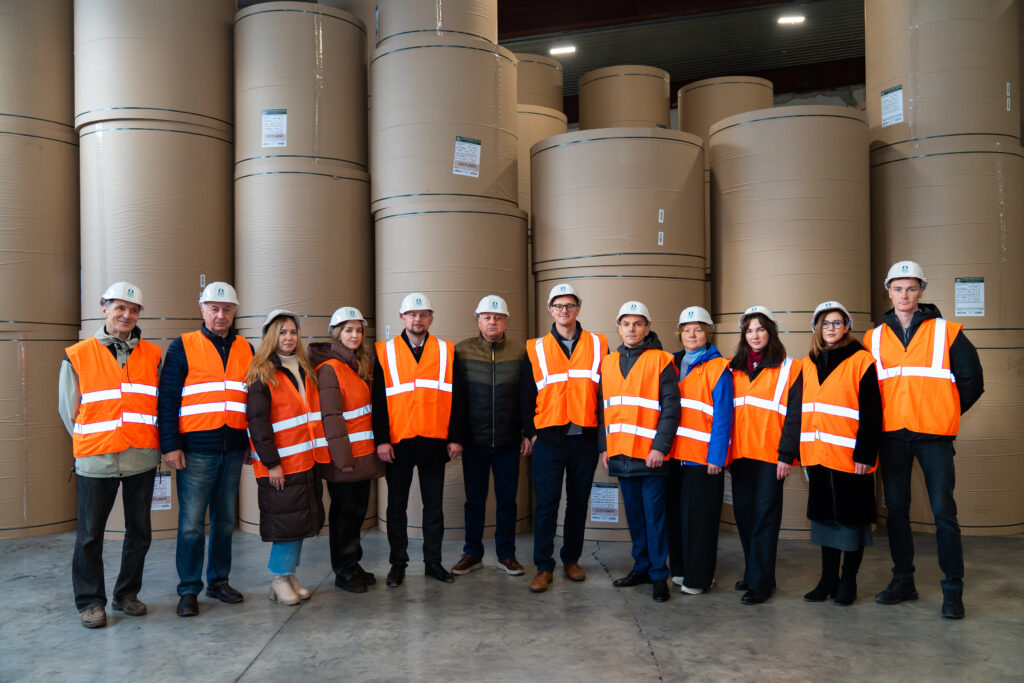
In the big workshop of Zhytomyr Cardboard Factory, new equipment is working. Eight old Soviet pumps have been replaced by one modern European turbine. A new hood above the drying section sends heat back into production instead of releasing it into the air. This is the result of a big modernization project finished this year — “Best Available Techniques (BAT) for Ukraine”, supported by the German organization GIZ on behalf of Germany’s International Climate Initiative even during the war, power cuts, and a lack of specialists.
The factory is one of the top 5 paper producers in Ukraine. It has a 60-year history, 800 employees, and produces 75,000 tonnes of paper and cardboard every year. It also recycles more than 100,000 tonnes of wastepaper. Half of its products — eco-friendly egg packaging — is exported to EU countries. The factory pays 300 million hryvnias in taxes each year.
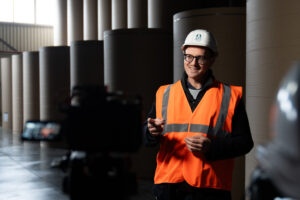
Paper production uses a lot of energy. We are always looking for ways to use less electricity and steam,” says Vitaliy Yerokhin, the finance director. “Modernization is expensive and takes a long time. Our project costs millions of euros. Support from GIZ and a loan from a state bank helped us start this project.
The total cost was €2.3 million. GIZ covered about 20% through a grant as part of the “Best Available Techniques (BAT) for Ukraine” program, funded by Germany’s Federal Ministry for the Environment. The rest was financed through a loan from Oschadbank, a Ukrainian state-owned bank. The factory used European standards as a guide for the technical changes.
Pilot projects like this are very important. They show other Ukrainian companies that this kind of modernization is possible and can be financed, says Gabriel Sauer, the director of the “Best Available Techniques (BAT) for Ukraine” project. We want to show that even during wartime it is possible to invest and meet EU standards.
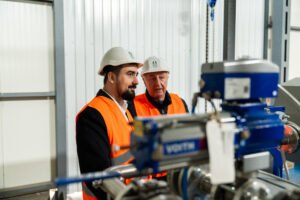
The project improved the two most energy-intensive parts of production. First, eight old pumps that removed water from the paper were replaced by one modern compressor. It works automatically and uses much less electricity. Second, the old drying hood sent hot air outside. The new one collects that heat and uses it again.
“Before, we used 1,600 kW per hour. Now we use 740 kW/h — almost two times less,” says Oleksiy Kovtonyuk, the technical director. “In the drying section, we use 18% less steam - that is about 7,000 tonnes of wood fuel per year.”
The project saves 12,000 kWh of electricity every day. Overall, it reduced energy use by 65,000 gigajoules per year. This means 7,300 fewer tonnes of CO₂ every year, plus less nitrogen oxide, carbon monoxide, and dust in the air. The investment will pay back in 4 years.
Working conditions also got better. The temperature and humidity in the workshop are now more comfortable. The new system works more reliably and the quality of the paper has improved.
The Zhytomyr factory is a good example that shows: even during a war, Ukrainian factories can modernize, save money, and follow European environmental standards. There are about 80 paper factories in Ukraine that could make similar changes. If all of them do this, the positive effect on the economy and the environment will be very large.